Motion, Force and Energy: The Physics That Explains Everything From Cricket to Your Daily Commute
Introduction You know what? Physics used to intimidate me too. When I was preparing for my competitive exams, I'd look at motion and force problems and think, "Why am I studying this? I'm not becoming an engineer!" But then one day, something clicked. I was watching an India vs Pakistan cricket match, and suddenly every concept of motion,…
Read more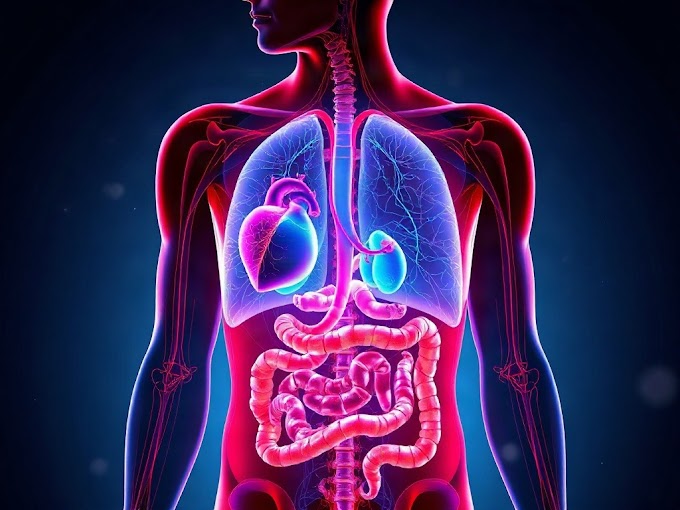
How Your Body's 11 Systems Keep You Alive: A Complete Breakdown for Competitive Exams
Introduction Listen, I've been teaching competitive exam aspirants for over a decade now, and I've noticed something peculiar. Students can memorize the capital of every state, but ask them how their own circulatory system works, and suddenly they go blank. It's funny, really—we spend years studying everything *except* the one machine that keeps u…
Read more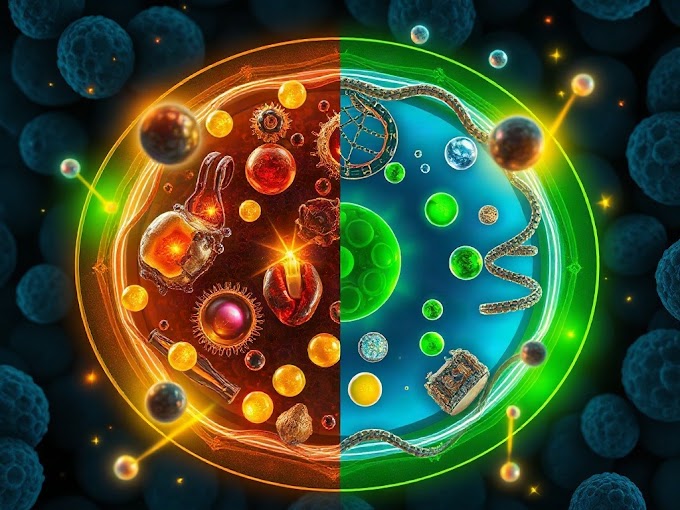
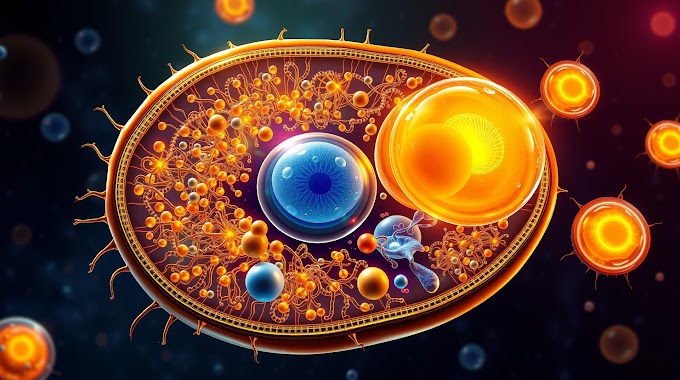
Cell Biology and Life Processes: What Actually Happens Inside Your Body That You Need to Know for Exams
Introduction Let me ask you something. How many times have you heard "mitochondria is the powerhouse of the cell" and thought , "Yes, yes, I know this... but why should I actually care?" I've been there. I've asked that question myself as a student, sitting in a biology class that felt about as exciting as watching paint dry in the …
Read more
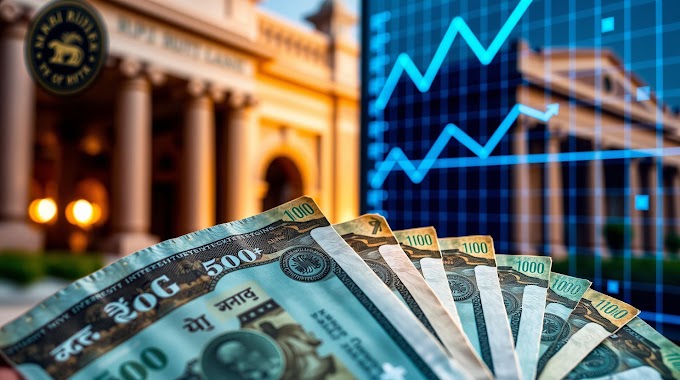
Banking and Finance in India: What Every Exam Aspirant Must Know (And Why It Matters Beyond the Test)
Introduction Let me be honest with you—when I first started teaching banking and finance to SSC CGL students about a decade ago, I noticed something interesting. Most students would memorize RBI governors' names, interest rate definitions, and the difference between repo and reverse repo. But they'd forget everything within two weeks. Why? Because the…
Read more
Five Year Plans and Economic Reforms: How India Built Its Modern Economy
Introduction Let me take you back to 1951. India is barely four years old as an independent nation. We have a literacy rate of 12%, factories that barely work, and villages where people are still using wooden ploughs. Dr. Rajendra Prasad is our first President, and Pandit Nehru is staring at a blank slate, trying to figure out: how do we build a modern natio…
Read more.jpg)
📢 Featured Post
.png)
📓 Journey of an Average Aspirant: My SSC CGL Preparation Experience 👋
Know everything.
📖 Read Now

.png)


.png)