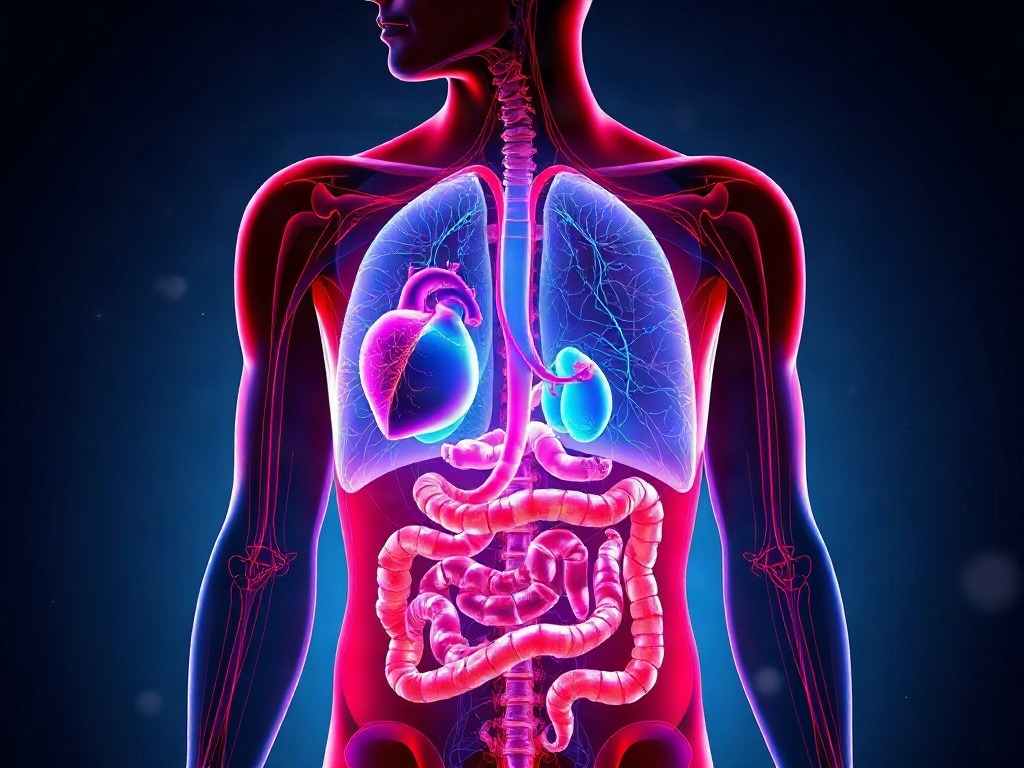
Introduction
Listen, I've been teaching competitive exam aspirants for over a decade now, and I've noticed something peculiar. Students can memorize the capital of every state, but ask them how their own circulatory system works, and suddenly they go blank. It's funny, really—we spend years studying everything *except* the one machine that keeps us breathing through those long exam marathons.
Here's the truth: understanding human body systems isn't just about passing general science questions (though it absolutely helps with that). It's about understanding *yourself*. Why you feel tired after studying. Why your heart races during exam anxiety. Why your stomach acts up before an interview. These aren't random events—they're your body systems communicating with you.
And from an exam perspective? Human body systems consistently appear across SSC CGL, UPSC prelims, and state-level exams. Not just as standalone questions, but woven into health, nutrition, and biology topics. So today, let's build a crystal-clear understanding of how these 11 major systems work, how they interact, and—most importantly—how to remember them for your exams.
The 11 Major Systems: Your Body's Dream Team
Think of your body like a cricket team. Each player (system) has a specific role, but they all work together toward one goal—winning. If the opening batsman isn't doing well, it affects the middle order. If the bowlers aren't communicating, fielding suffers. Similarly, your body systems are interconnected in ways that might surprise you.
Let me give you a memory trick I've been using in my classes for years:
"CINDER-MAN-EX"
This mnemonic covers all 11 systems:
- Circulatory
- Integumentary
- Nervous
- Digestive
- Endocrine
- Respiratory
- Muscular
- Abdominal (or Urinary/Excretory)
- Nutrition (Skeletal)
- Endoskeletalrepository (Lymphatic)
- Xenetic (Reproductive)
Okay, I'll be honest—that's a bit forced. Let me give you a better one that my students actually remember:
"CINDER SLAM RUN"
- Circulatory, Integumentary, Nervous, Digestive, Endocrine, Respiratory
- Skeletal, Lymphatic, Abdominal (Urinary), Muscular
- Reproductive, U... wait, that doesn't work either.
You know what? Create your own mnemonic. It'll stick better. The human brain remembers what *you* create far better than what I hand you. Just make sure you have these 11 systems covered, and you're golden.
The Four Most Tested Systems (Focus Here First)
If I'm honest about exam patterns, 70% of the questions come from just four systems. Let me break that down for you.
The Circulatory System: Your Body's Transportation Network
The circulatory system is basically your body's delivery company. Imagine Amazon, but instead of packages, it's delivering oxygen and nutrients to every single cell. And instead of trucks, it's using blood vessels and the heart as the pump.
How It Works: The Simple Version
Your heart beats about 100,000 times a day (yes, really). Each beat pumps oxygen-rich blood out through arteries to every corner of your body. The blood drops off oxygen and picks up carbon dioxide waste. Then it returns through veins back to the heart, which sends it to the lungs to get fresh oxygen, and the cycle repeats.
Here's what gets tested most:
Blood Components: Red blood cells (carry oxygen), white blood cells (fight infection), platelets (clot blood), plasma (carries nutrients and waste).
Heart Chambers: Right atrium receives deoxygenated blood. Right ventricle pumps it to lungs. Left atrium receives oxygenated blood from lungs. Left ventricle pumps it to the body. Think "Right receives, Left leaves." That's the trick.
Blood Pressure: Systolic (contraction) over diastolic (relaxation). Normal is around 120/80. High salt, stress, and lack of exercise increase it.
The Respiratory System: Breathing Life Into Your Body
Okay, here's something fascinating. Breathing seems simple, right? You inhale, you exhale. But the mechanism is actually beautifully elegant.
When you breathe in, your diaphragm (that muscle below your lungs) contracts and moves downward, creating more space in your chest. This pressure difference pulls air into your nose/mouth, down your windpipe (trachea), and into your lungs. The lungs have millions of tiny air sacs called alveoli, where oxygen crosses into the blood, and carbon dioxide crosses out.
What Gets Tested?
The Path of Air: Nose/Mouth → Pharynx → Larynx (voice box) → Trachea → Bronchi → Lungs → Alveoli. Most students forget the pharynx. Don't be that student.
Gas Exchange: Happens in the alveoli. Oxygen in, CO₂ out. The blood then carries oxygen to cells and brings back CO₂ to be exhaled. Your body produces about 200ml of CO₂ every minute—that's why ventilation during studying is important!
Lung Capacity: Total lung capacity is about 6 liters, but you don't use all of it with each breath. Tidal volume (normal breathing) is only about 500ml. This matters for questions about respiratory conditions.
Now here's the thing about breathing that I love sharing: it's the only automatic system you can voluntarily control. Your heart beats whether you think about it or not, but you can hold your breath. This is why deep breathing works for exam anxiety—you're literally taking conscious control of your nervous system.
The Nervous System: Your Body's Communication Highway
If the circulatory system is the delivery company, the nervous system is the Internet. It's the communication network that connects everything and makes decisions in milliseconds.
The nervous system has two main divisions:
Central Nervous System (CNS): Brain and spinal cord. This is command headquarters.
Peripheral Nervous System (PNS): All the nerves extending to your limbs and organs. This is the field communication.
And here's where it gets interesting. The PNS splits further:
Somatic Nervous System: Controls voluntary movements. Want to pick up your pen? That's somatic.
Autonomic Nervous System: Controls involuntary functions like heart rate, digestion, breathing. This is the system that makes your heart race when your exam starts.
The autonomic nervous system itself has three parts (and yes, this gets tested):
- Sympathetic: "Fight or Flight" — speeds up heart rate, dilates pupils, diverts blood from digestion. This is your exam-stress mode.
- Parasympathetic: "Rest and Digest" — slows heart rate, aids digestion, promotes relaxation. This is your post-exam relief.
- Enteric: Controls your gut. This is why you feel butterflies before exams!
How Neurons Work (The Exam Favorite)
Neurons are nerve cells. A signal comes in through dendrites, travels down the axon, and transmits to the next neuron across a synapse. The brain has roughly 86 billion neurons. Each neuron can connect with thousands of others. That's your thinking power.
The brain itself has three main regions:
Cerebrum: Thinking, decision-making, memories, personality. The largest part.
Cerebellum: Balance and coordination. If you don't fall off your chair while writing exams, thank your cerebellum.
Brainstem: Controls vital functions like breathing and heart rate. This is why it's called the "vital" stem—pun intended.
The Digestive System: Breaking Down Your Meals (Literally)
The digestive system is a 30-foot journey through your body, and it's more complex than most students realize.
Food enters your mouth, where your teeth mechanically break it down and saliva starts chemical digestion (yes, digestion starts in your mouth, not your stomach). Then it travels down the esophagus into your stomach, where acids and enzymes break it further. In the small intestine, nutrients are absorbed into the bloodstream. Whatever isn't absorbed goes to the large intestine, which absorbs water, and finally to the rectum for exit.
Key organs tested:
- Liver: Produces bile to break down fats. Also detoxifies your blood. This is why liver health matters.
- Pancreas: Produces digestive enzymes and insulin. Insulin regulates blood sugar. Diabetes happens when pancreatic function is compromised.
- Gallbladder: Stores bile from the liver. Small but important for fat digestion.
The Digestive Timeline: Mouth (few seconds) → Esophagus (6-8 seconds) → Stomach (2-4 hours) → Small Intestine (3-6 hours) → Large Intestine (12-48 hours). Total time: roughly 24-72 hours. This is why the phrase "digestion takes time" is literally true.
The Endocrine System: Your Body's Chemical Messengers
While the nervous system is fast communication (milliseconds), the endocrine system is slow but powerful. It uses hormones—chemical messengers—to regulate everything from growth to mood to metabolism.
Major Glands: Pituitary (master gland), thyroid (metabolism), adrenal (stress hormones), pancreas (insulin), ovaries/testes (sex hormones).
Here's something I tell students: if you're feeling moody during exam season, it's not just stress. It's your endocrine system adjusting hormone levels. Your thyroid might be working overtime, your cortisol levels are elevated—it's all hormones.
| System | Main Function | Key Organs |
|---|---|---|
| Circulatory | Transport oxygen and nutrients | Heart, arteries, veins, lungs |
| Respiratory | Gas exchange (O₂ in, CO₂ out) | Lungs, trachea, diaphragm |
| Nervous | Communication and coordination | Brain, spinal cord, nerves |
| Digestive | Break down food and absorb nutrients | Mouth, stomach, intestines, liver |
| Endocrine | Regulate via hormones | Pituitary, thyroid, adrenal, pancreas |
| Urinary | Filter waste and regulate water | Kidneys, bladder, ureters |
| Muscular | Movement and support | Skeletal muscles, cardiac muscle, smooth muscle |
| Skeletal | Support, protection, movement | Bones, joints, cartilage |
| Lymphatic | Immunity and fluid balance | Lymph nodes, spleen, thymus |
| Integumentary | Protection and temperature control | Skin, hair, nails |
| Reproductive | Create new organisms | Testes, ovaries, associated organs |
The Other Systems: Don't Sleep on Them
Skeletal System
Your skeleton is 206 bones (in adults) providing structure, protection, and movement. Bones also produce blood cells in their marrow—something many students forget. Your spine protects your spinal cord. Your ribs protect your heart and lungs. Your skull protects your brain.
Bone health depends on calcium and vitamin D. This is exam-relevant because questions about nutrition and bone health pop up regularly.
Muscular System
Three types: skeletal (voluntary, movement), cardiac (heart), smooth (involuntary, organs). Muscles contract when signaled by nerves, pulling on bones to create movement. They also generate heat, which is why you shiver when cold.
Urinary System
Kidneys filter waste from blood, creating urine. This is why staying hydrated is important—your kidneys need water to function. Urine travels down ureters to the bladder, then out through the urethra. Questions about kidney function and dialysis appear occasionally.
Lymphatic and Immune Systems
Lymph is a clear fluid that bathes your cells. Lymph nodes filter pathogens. Your spleen stores immune cells. This system is your body's defense against disease. With COVID-related health discussions, this has become more exam-relevant.
Integumentary System (Skin)
Your largest organ! Skin protects against pathogens, regulates temperature through sweating, and provides sensation. It has three layers: epidermis, dermis, and hypodermis. This shows up in questions about burns and health conditions.
How Systems Interact: The Real Magic
Here's where it gets beautiful. None of these systems work in isolation. They're interconnected in ways that seem magical when you understand them.
Example: You see a question on your exam. Your nervous system's sensory neurons detect it. Your brain processes it (cerebrum) and coordinates response (cerebellum). Your endocrine system releases adrenaline (stress hormone). Your heart rate increases (circulatory). Your breathing quickens (respiratory). Your muscles tense (muscular). Your digestion slows (nervous system diverts resources). All of this happens in seconds.
This interconnection is why when you manage stress, you sleep better, digest food better, think clearer. Everything's connected.
Exam Strategy: What to Memorize vs. Understand
Memorize: Blood components, heart chambers, major organs, hormone names, bone count, muscle types, the path of air through respiratory system, the digestive timeline.
Understand (deeply): How systems interact, why symptoms occur, how diseases affect systems, cause-and-effect relationships. Examiners love asking "Why does this happen?" rather than "What is this?"
Here's my final tip: draw diagrams. Your hand, brain, and memory connect better when you're drawing the circulatory system or tracing a nerve pathway. Plus, visual memory is powerful.
Practice Questions
A) Integumentary system → Produce hormones B) Lymphatic system → Filter blood waste C) Nervous system → Rapid communication and coordination D) Skeletal system → Absorb nutrients
Answer: C) The nervous system conducts rapid electrical and chemical communication. The integumentary system provides protection, the lymphatic system involves immunity, the urinary system filters waste, and the skeletal system supports structure (not nutrient absorption—that's digestive).
A) It contains more blood B) It must pump blood against greater systemic resistance to the entire body C) It receives oxygenated blood D) It connects to the lungs
Answer: B) The left ventricle pumps blood to the entire body (systemic circulation) against significant resistance, while the right ventricle pumps only to the nearby lungs (pulmonary circulation), requiring less force.
A) Trachea B) Bronchi C) Alveoli D) Pharynx
Answer: C) Alveoli are microscopic air sacs where oxygen diffuses into capillaries and carbon dioxide diffuses out. The other structures are airways that conduct air but don't allow gas exchange.
A) Writing an exam answer B) Pupil dilation in low light C) Picking up a pen D) Reading a question
Answer: B) Pupil dilation is automatic and involuntary, controlled by the parasympathetic nervous system in response to light changes. The others are somatic (voluntary) functions.
A) Increase blood sugar levels B) Break down fats C) Regulate blood glucose by facilitating its uptake into cells D) Produce digestive enzymes
Answer: C) Insulin lowers blood glucose by allowing cells to take up glucose. High insulin indicates the fed state, while low insulin (or absence in diabetes) causes high blood sugar. Glucagon does the opposite—it raises blood sugar.
Final thought from my years of teaching: Your body is an absolute marvel. Every system I've described above is a feat of engineering that scientists are still understanding. Show your body respect—feed it well, sleep enough, exercise, manage stress—because it's carrying you through all these exams and beyond. Pass your exams with flying colors, but don't forget that taking care of this biological masterpiece is what truly matters.
You've got this. Now go ace those questions.
Published by Dattatray Dagale • 23 September 2026
.jpg)
.png)


.png)




.png)

0 Comments